
Step away from the “instant” certifications of the modern world and enter a systematic path of Parampara—the living transmission of the Himalayan masters. This is not just a teacher training; it is a deep immersion into the Siddhanta (proven principles) of the mind and body, where ancient wisdom meets the modern language of neuroscience.
Course Overview
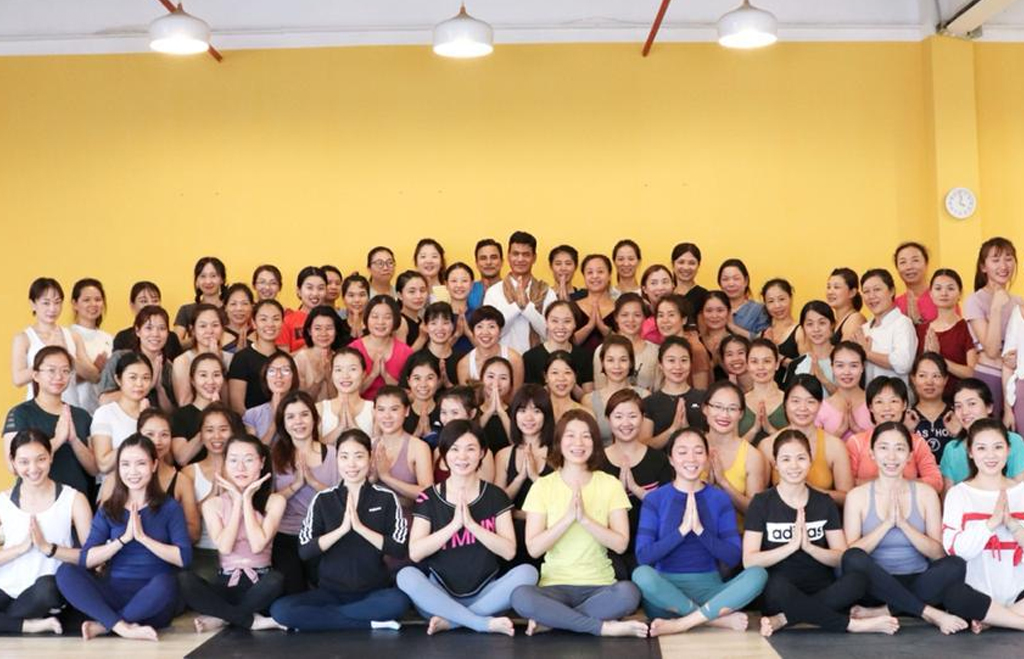
Welcome to the 200-Hour Yoga Teacher Training program. This foundational course is designed for dedicated students who wish to deepen their personal practice and acquire the skills, knowledge, and confidence to teach yoga safely and effectively.
Whether your goal is to become a certified yoga instructor or simply to immerse yourself in the ancient wisdom of yoga, this comprehensive curriculum will guide you through the physical, philosophical, and spiritual dimensions of the practice. Upon successful completion, graduates will be eligible to register with Yoga Alliance as an RYT 200.
| Meditation, Pranayama, Mantra Chanting |
| Purification Practices (Shat kriyas) |
| Hatha Yoga Practice Session – Hatha Yoga Classical Practice Session |
| Session 1 – Yoga Philosophy |
| Self-study/ self practice |
| Asana Lab – Learning practical understanding of Asana |
| Ashtanga vinyasa Yoga Practise Session |
| Session 2 – Relaxation and Meditation Practice |
| Self-study/ free time |
By the end of this 200-hour training, students will be able to:
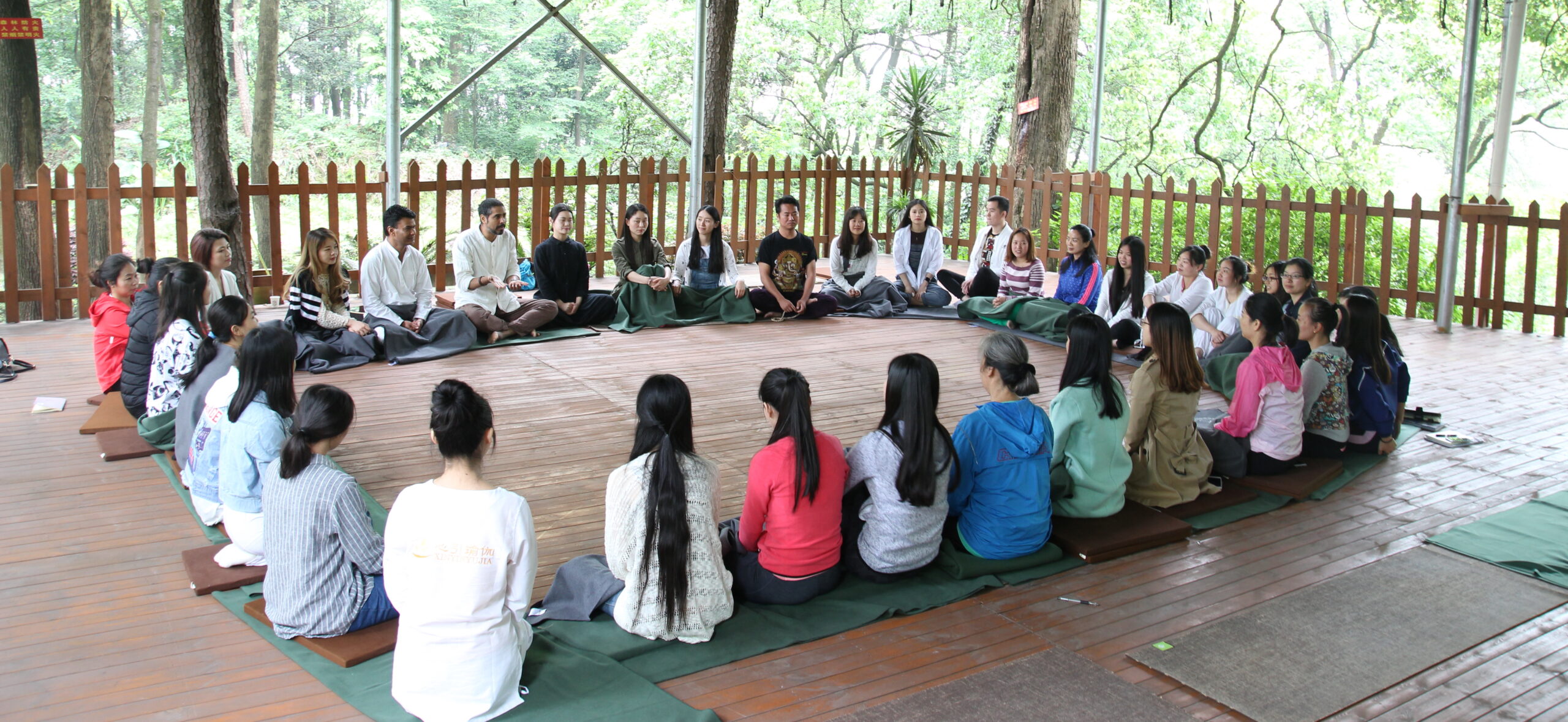
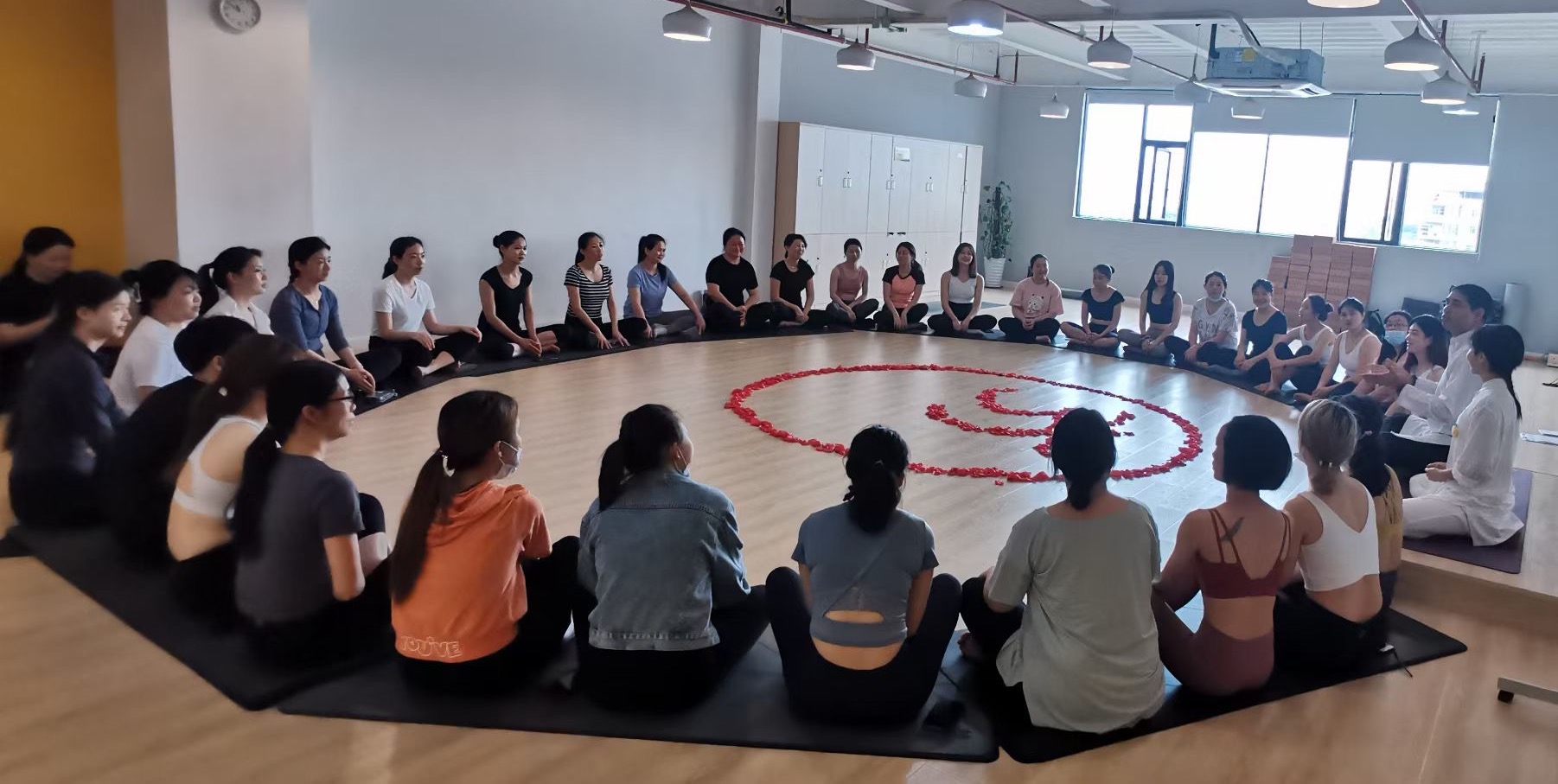
Yoga is both a science and an art. Our approach is Experiential First, where students learn by doing, feeling, and observing their own internal landscape. Theoretical knowledge is introduced only after you have had a direct somatic experience, ensuring that the wisdom is embodied rather than merely memorized.
The curriculum is divided into four primary educational categories, adhering strictly to Yoga Alliance standards.
Module 1: Techniques, Training, and Practice
The largest component of the course, focusing on the actual practice and breakdown of yoga techniques.
Asana Clinic: Deep dive into foundational postures (standing, seated, twists, inversions, backbends, and resting poses). Focus on alignment, benefits, contraindications, and variations.
Pranayama & Subtle Energy: Techniques for breath control (Ujjayi, Nadi Shodhana, Kapalabhati) and understanding the subtle body (Bandhas, Mudras, and Chakras).
Meditation: Introduction to various meditation techniques (Mindfulness, Vipassana, Mantra) and how to guide students through them.
Module 2: Anatomy & Physiology
Understanding the physical and energetic bodies to ensure safe practice and teaching.
Physical Anatomy: The skeletal, muscular, nervous, and respiratory systems as they relate to yoga movement. Biomechanics, joint health, and understanding the spine.
Energetic Anatomy: Exploring the Nadis (energy channels), Koshas (layers of being), and the Chakra system.
Application: How to apply anatomical knowledge to prevent injuries, accommodate limitations, and offer modifications using props.
Module 3: Yoga Humanities
Exploring the rich history, philosophy, and ethics of the yoga tradition.
History of Yoga: The origins and evolution of yoga from the Vedas to modern times.
Yoga Philosophy: In-depth study of foundational texts, primarily focusing on Patanjali’s Yoga Sutras (The Eight Limbs of Yoga) and an introduction to the Bhagavad Gita.
Ethics: The Yoga Alliance Code of Conduct, the student-teacher dynamic, equity, inclusion, and creating a safe, trauma-informed space for all students.
Module 4: Professional Essentials
The practical skills needed to step into the role of a teacher.
Teaching Methodology: Class design, intelligent sequencing, pacing, cueing, voice modulation, and reading a room.
Practicum: Practice teaching in small groups and leading a full class. Includes giving and receiving constructive feedback.
The Business of Yoga: Credentialing, insurance, marketing yourself as a teacher, studio etiquette, and finding your unique teaching voice.
Join us at Pranamaya Yoga School and take the first step toward your international teaching career.
Foundation & Setup: Establish a sacred space and master the foundational “Joints and Glands” system to prepare the physical temple.
The Science of Breath: Master systematic Pranayama to regulate the nervous system, the true gateway to well-being.
Internal Technologies: Explore the core principles of meditation and Nada Yoga to harmonize your inner and outer worlds.
Body Mapping: Understand the human biofield and how the ancient map of consciousness remains unchanged by modern trends.
Lineage & Transmission: Transition from student to mentor by honoring the Swami Rama lineage and the art of authentic transmission.
Mastery Practice: Refine your unique professional style through self-healing rituals and peer-led practical teaching.
Dedicated Practitioners: To move beyond physical exercise and master the science of the mind.
Aspiring Mentors: Seeking an authentic, source-first education in the heart of Kathmandu.
Health Professionals: To add a somatic and neuro-scientific layer to their existing wellness practice.
“We don’t just teach you how to guide a pose; we teach you how to become an instrument of peace through the authentic Himalayan tradition.”
Ready to return to the source?
To capture high-intent search traffic while honoring your “Source-First” philosophy,
these Q&As are designed to rank for seekers looking for depth, authenticity, and professional training in Kathmandu.
Yes. A core pillar of our RYT 200 is the study of Theoretical Foundations, including the Yoga Sutras of Patanjali. We approach these not as historical artifacts, but as a psychological roadmap and “living science” for the modern mind. This provides our graduates with a perennial understanding of human psychology that transcends modern wellness trends.
We believe modern neuroscience is the contemporary language used to describe what the Himalayan sages mastered millennia ago. Our Body & Mind Integration module bridges ancient wisdom with Anatomy and Physiology to ensure your practice is safe and effective. We specifically focus on how traditional breath-work and meditation act as “Internal Technologies” to regulate the nervous system.
Absolutely. Our curriculum includes a comprehensive Teaching Methodology and a hands-on Practicum designed to refine your voice and presence as a guide. We focus on the art of Parampara—the living transmission of knowledge—so you leave with the technical skills and the internal presence required to lead, adjust, and inspire students with confidence.
Many students join our training for personal transformation and the “Science of Experience” (Pratyaksha). Whether you intend to teach or simply wish to deepen your own Sadhana, the program provides a structured environment for cultivating a calm, focused, and resilient mind. It is a journey of self-mastery in the heart of Kathmandu, rooted in a lineage that is as timeless as the Himalayas.
Pranamaya Yoga Studio
Top floor of Himalayan Java
Tridevi Marg, Thamel
Kathmandu, Nepal.